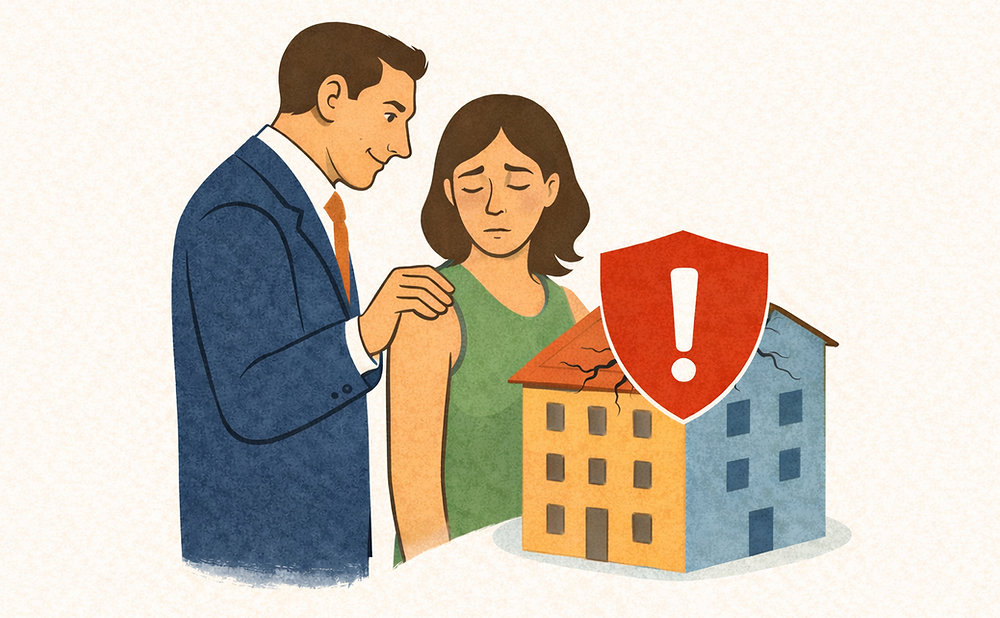
“No one should have to endure sexual harassment to keep a roof over his or her head.”
That’s what Harmeet K. Dhillon, the assistant attorney general of the Justice Department’s Civil Rights Division, said in going on the legal offensive against a former Arkansas landlord and the property owner the landlord worked for.
The DOJ’s lawsuit, filed in the U.S. District Court for the Eastern District of Arkansas in November, names Thomas Ray Kelso, 74, and Avatar Investments LLC, and alleges discriminatory housing practices in the form of decades of sexual harassment and retaliation by Kelso against female tenants at the Briarwood Apartments in Searcy, Ark., an hour northwest of Little Rock.
Beginning in 2001 and until he was arrested in 2023, Kelso made unwelcome comments, touched female tenants without permission, and coerced victims into performing sexual acts tied to housing benefits. Among the things victims reported him saying were “you can f— me for this apartment and I'll give you free rent.” He also retaliated against those who refused his propositions by cutting off electricity, denying use of the laundry, initiating evictions and refusing to make repairs — all violations of the federal Fair Housing Act.
Kelso was indicted by a grand jury in 2024 and — following a conviction — sentenced to 20 years in prison on federal sex trafficking charges earlier this year. The new DOJ complaint holds the property owner vicariously liable for Kelso’s actions. It also seeks compensation for affected tenants and civil penalties, as well as a court order aimed at preventing future discrimination, according to a DOJ news release.
Cases like this are extreme — but they are not rare. Fair Housing Act violations often begin with language: sexualized comments, coercive offers, and retaliatory threats that surface long before enforcement actions or criminal charges.
HarmCheck detects language signaling 40 types of harmful conduct, including Fair Housing Act violations and sexual harassment, in workplace communications. By surfacing these signals early, organizations can act before misconduct escalates into tenant harm, regulatory action, and irreversible damage.
Since 2017, the Justice Department has filed 51 sexual-harassment-in-housing lawsuits and recovered nearly $16.2 million for victims — a reminder that enforcement is ongoing, and oversight failures are costly.
Compliance isn’t just reactive. It’s how organizations identify risk early and protect people from preventable harm.
Book a free demo of HarmCheck today: http://harmcheck.ai/demo
By Alphy staff
HarmCheck by Alphy is an AI communication compliance solution that detects and flags language that is harmful, unlawful, and unethical in digital communication. Alphy was founded to reduce the risk of litigation from harmful and discriminatory communication.